Article: What We Carry Forward

What We Carry Forward
I’ve been thinking a lot about identity lately, especially what it means to be Fijian.
Our history is layered. Many Indians arrived as indentured laborers, while others came as merchants, missionaries, or in different roles. From the beginning, there were clear lines between communities. There was no intention, in those early years, to stay and grow roots. People came for what they believed would be a specific period of time.
But time changed that. People stayed. Families were built. Roots grew. Fiji became home across generations.
And yet, those early histories still shape how we see ourselves and each other. Identity is not always something that can be defined by a single word. It carries memory, experience, and the weight of where we come from.
I write this as someone who now lives outside Fiji but still carries it within me. Having built a life in the United States, I have seen a different relationship with identity. Here, people call themselves American while still holding fully to their culture, religion, and heritage. It is understood that one does not erase the other.
Perhaps that is why embracing a single term like “Fijian” can feel more complex. It is not simply about a name, but about history, how people arrived, and what was carried with them.
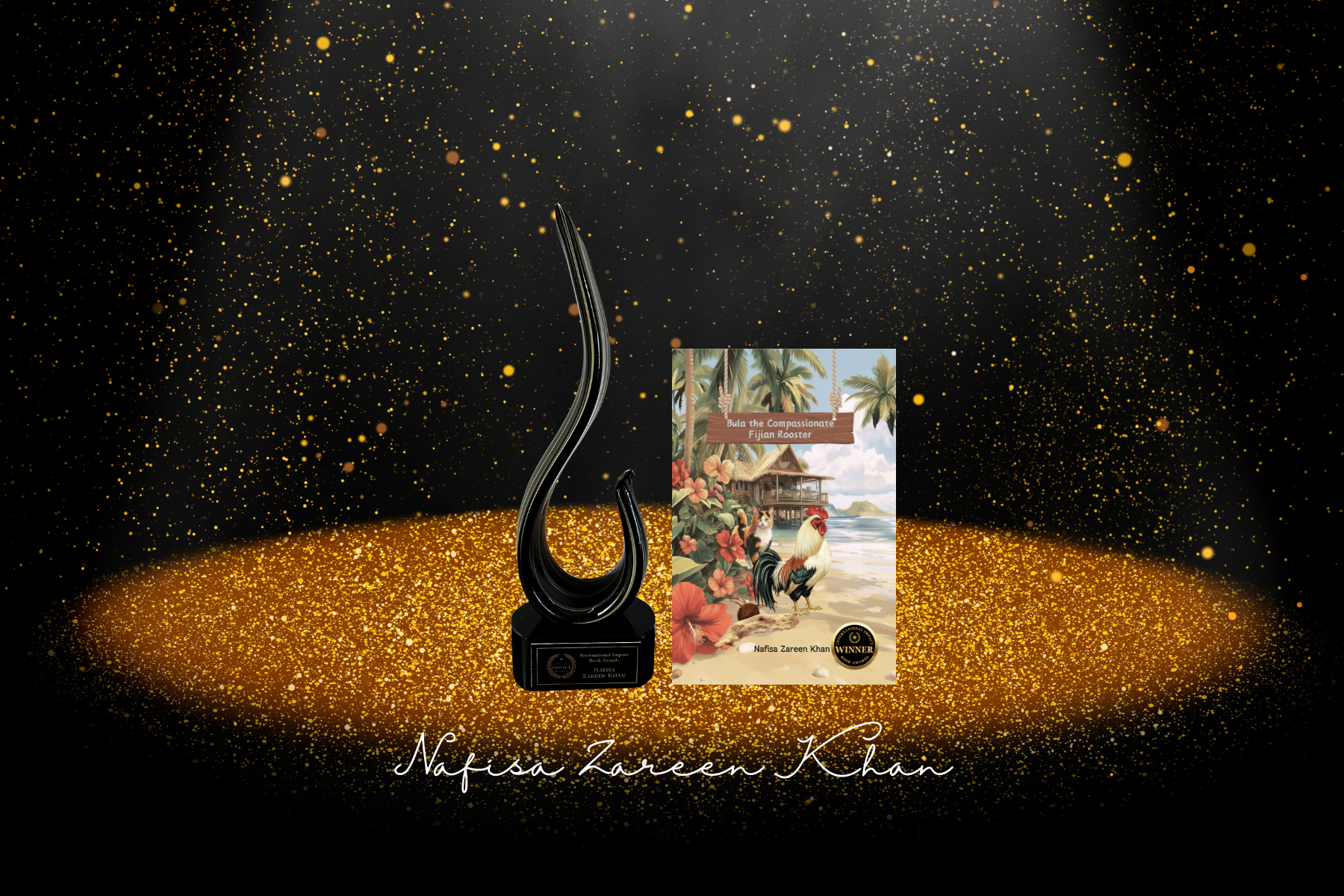
For me, this is also why I write. I write from Indo-Fijian history and diaspora to share our culture, to honor what came before us, and to carry it forward for my daughter and the generations to come. Through my books, I hope to open space for conversations about identity, history, and culture, the kind of conversations that help us better understand ourselves and each other.
Conversations like this, grounded in understanding and respect, are what will help us move forward together while honoring where we come from and wherever life takes us.